
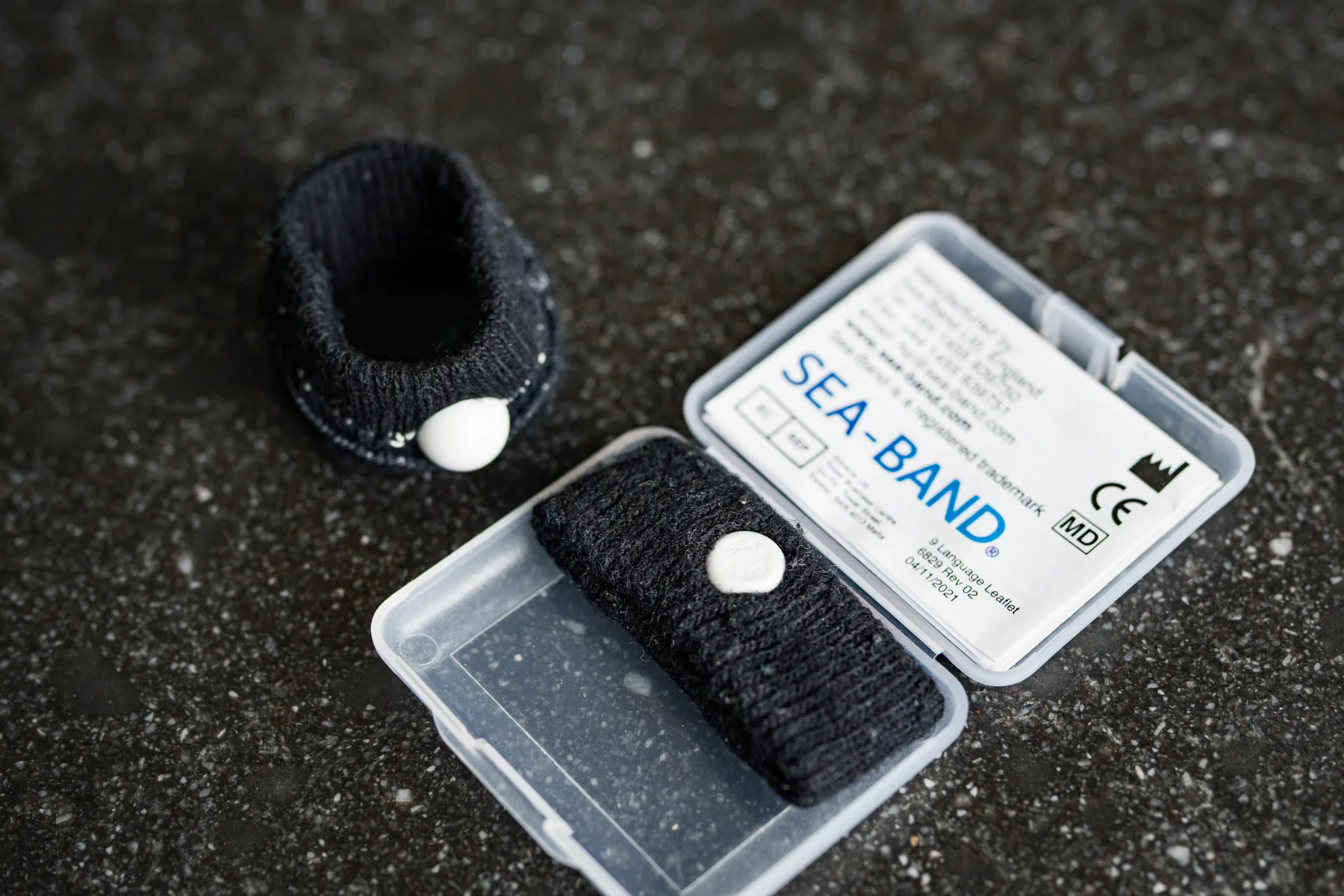
Transparency Note: I am not affiliated with Sea-Band or any other brand mentioned in this post. I purchased these products myself, and I do not receive any commission or compensation if you choose to buy them. This is an independent review.
If you’ve been reading my blog for a while, you know my engineering mindset: if there’s no evidence-based proof that a product works, I generally don’t buy it.
When I was invited to a week-long sailing trip in Greece—all blue skies and crystal-clear water—I should’ve been thrilled. Instead, I was haunted by a memory from two years ago: hanging over the side of a speedboat, miserably sick while everyone else snorkeled. This time, though, the thought of being sick for six full days made me nervous. I needed a plan.
The Logic Behind the Bands
While stocking up on the usual anti-nausea pills, I spotted a pair of Sea-Bands. I’d heard the anecdotes before, but my brain needed more than just “it worked for my aunt” to justify the purchase.
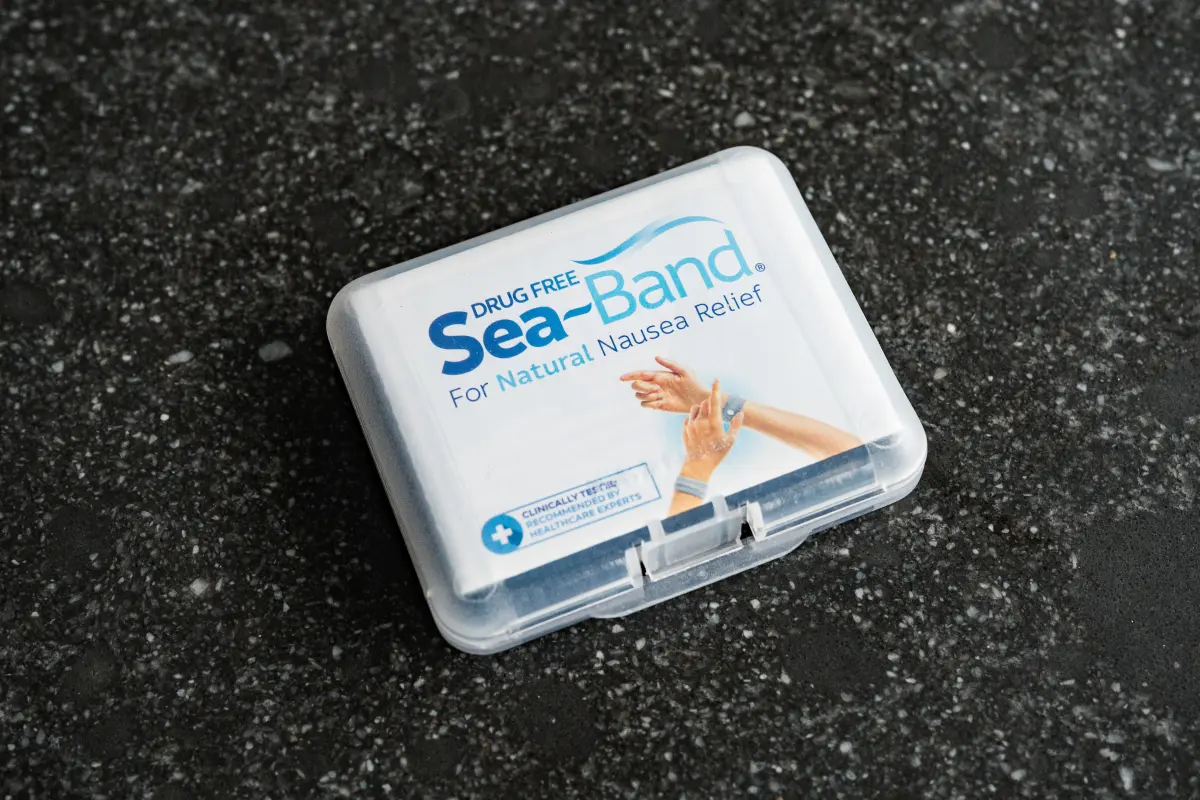
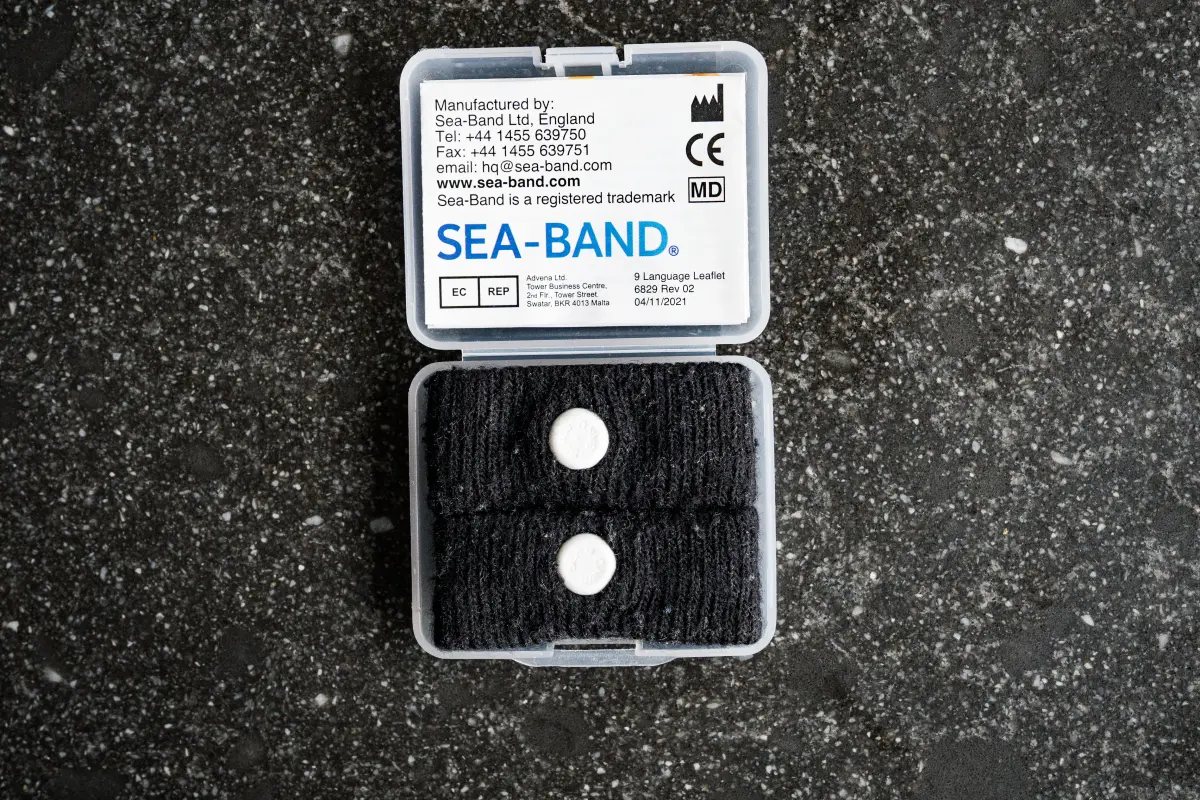
I dug into the theory, which is rooted in acupressure—specifically targeting the Nei-Kuan (P6) point. Research suggests that stimulating that point targets the median nerve, sending a signal through the sensory fibers to the brain’s medulla, specifically modulating the “vomiting center”. This stimulation is thought to trigger the release of beta-endorphins and serotonin, which can effectively “dampen” the nausea signals traveling from the gut to the brain.1
According to consumer health research from EBSCO, stimulating this point “may help suppress the trigger for nausea” . The research acknowledges that while hard scientific proof remains limited, a number of users report meaningful relief.2
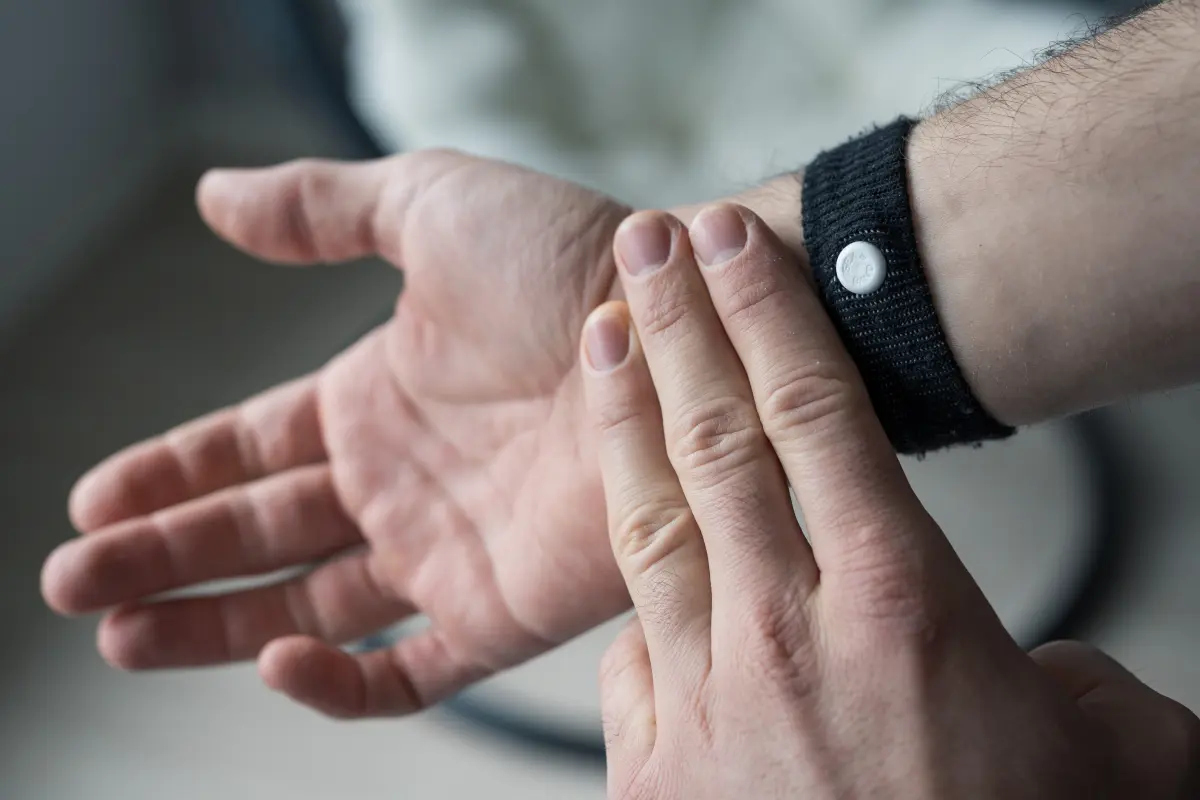
To test it properly, the placement has to be precise. You find the P6 point by placing three fingers across your inner wrist, starting from the first crease; the point sits exactly below your index finger, nestled between the two central tendons.
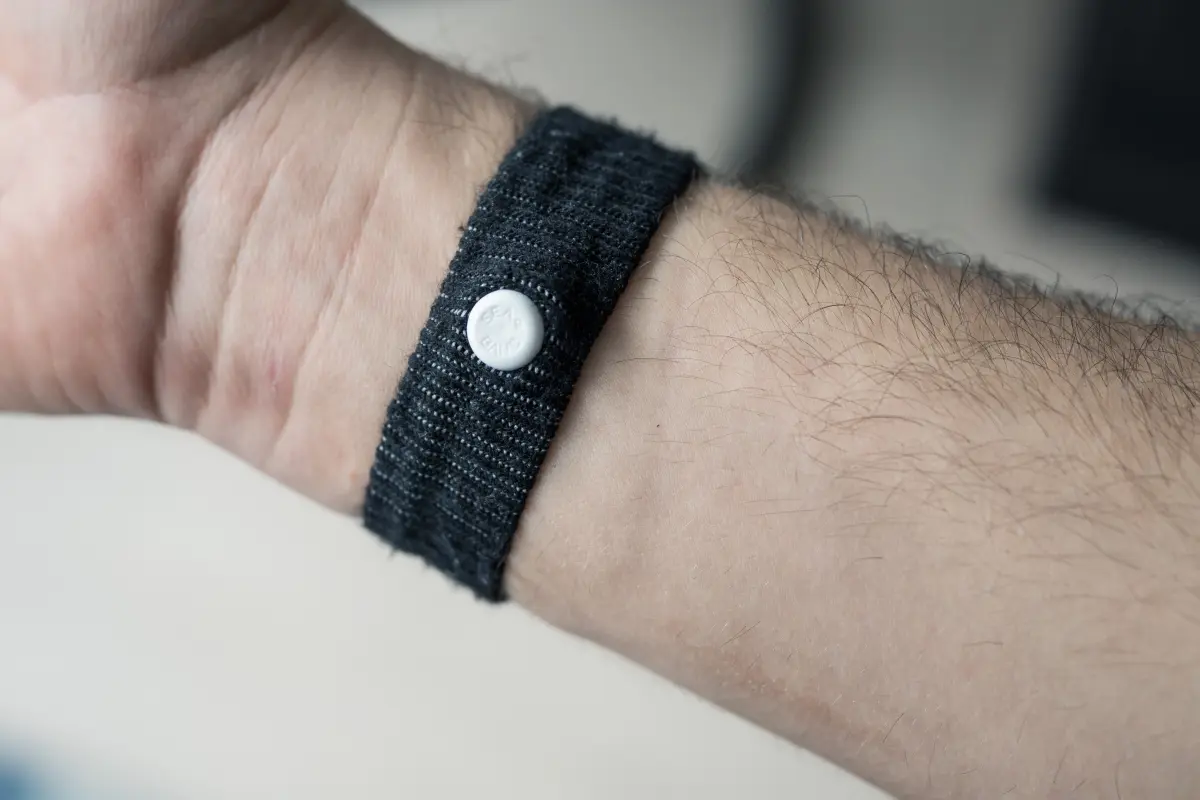
Admittedly, my inner skeptic wasn’t fully convinced. Paying 16 euros for two stretchy fabric bands and a plastic stud felt dangerously close to buying snake oil. But facing six days on a boat, I had nothing to lose—except, of course, the 16 euros.
The 6-Day Test: Pills vs. Bands
On Day 1, I played it safe. I took a pill before boarding and felt fine.
On Day 2, I did what any responsible adult scientist would do: I ran a high-risk, low-dignity experiment on myself. No pills. Just the sea-sickness wristbands and blind faith.
The Aegean Sea on that day chose to be moderately evil. Not full “speedboat doing parkour” action, but definitely the kind of rolling motion that usually makes my stomach file a formal complaint.
And yet… nothing happened. No nausea. No cold sweat. No dramatic leaning over the railing to question my life choices.
Even when I went below deck or tried to read a book—activities that usually trigger immediate cold sweats—the nausea stayed at bay. I felt a slight “motion awareness,” but it never crossed the line into sickness.
For the rest of the week, I wore the Sea-Bands daily. They stayed comfortable throughout the day. I didn’t dare take them off to “test” if it was a placebo effect; the results were simply too good to mess with.
Final Verdict: Worth It?
Was it all just placebo? Maybe. Was the sea generally calmer than I anticipated? Possibly.
But here’s the thing: I enjoyed six full days of sailing without a single moment of seasickness—something that had always ruined boat trips for me before.
However, as an engineer, I care about reproducible results. I spent six full days enjoying Greece instead of staring at the horizon in misery. For me, that’s enough proof to keep these in my travel kit for the next travels.
If you’re prone to motion sickness, these are a low-cost, drug-free tool that actually seems to bridge the gap between “nauseous” and “normal.”
What’s your go-to cure? Are you a “pill person,” or have you found success with acupressure bands? Let’s swap tips in the comments section below!
Sources
- https://www.fortunejournals.com/articles/efficacy-of-neiguan-p6-acupoint-stimulation-in-reducing-postoperative-nausea-and-vomiting.html#:~:text=The%20proposed%20mechanism%20of%20action,through%20serotonergic%20and%20norepinephrinergic%20pathways. ↩︎
- https://www.ebsco.com/research-starters/consumer-health/motion-sickness-devices ↩︎